



Ceramic toner
-
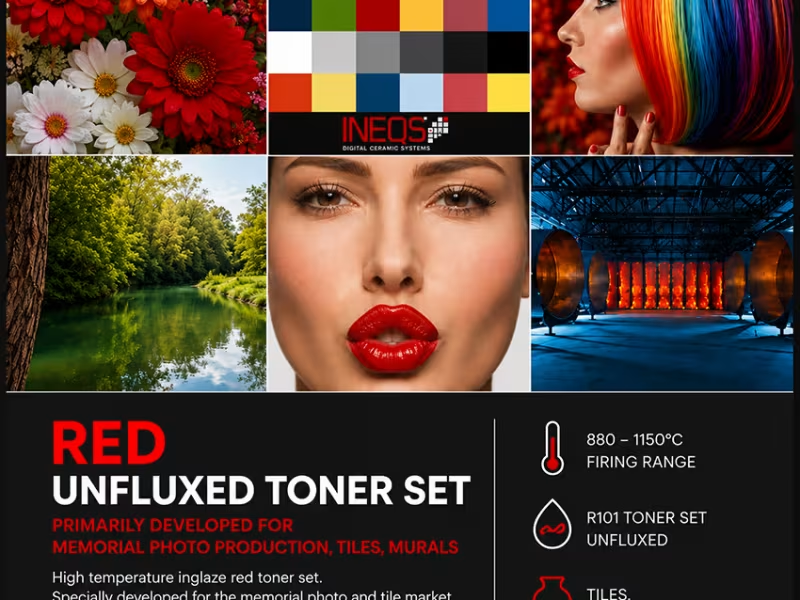
Unfluxed red toner set R101
Four-colour set with ceramic red for porcelain, stoneware and glazed tile fired at 1,000 to 1,200 °C.
-
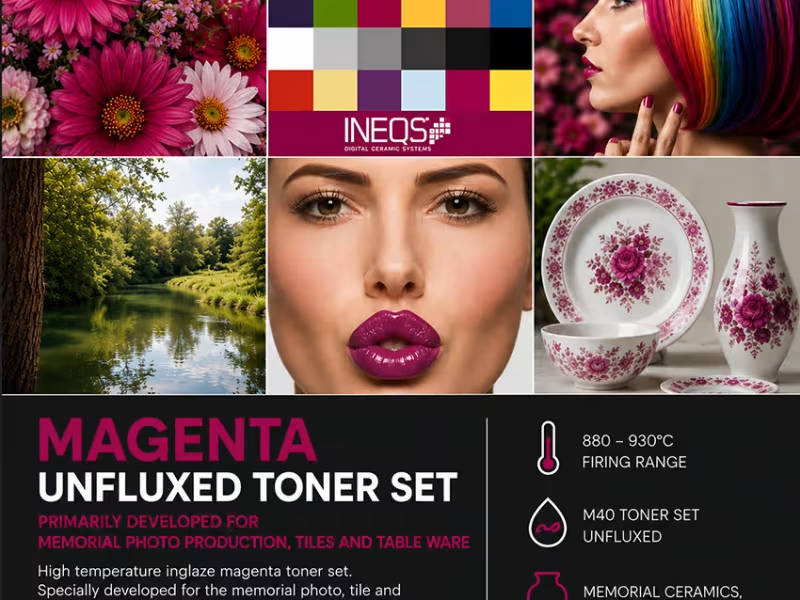
Unfluxed magenta toner set M40
Standard CMYK set for porcelain, stoneware and glazed tile fired at 1,000 to 1,200 °C.
-
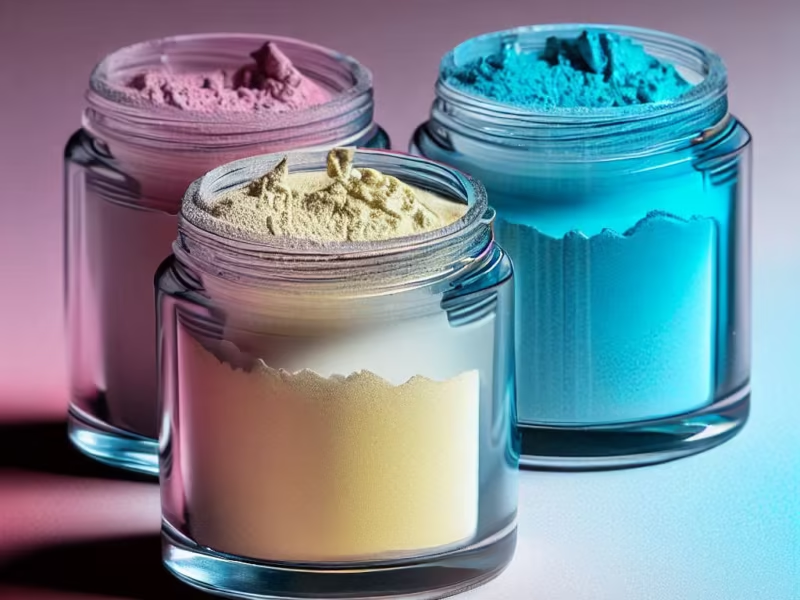
Unfluxed single colour toners
Individual unfluxed colours to replace one cartridge or build a custom set for high-fire work.
-
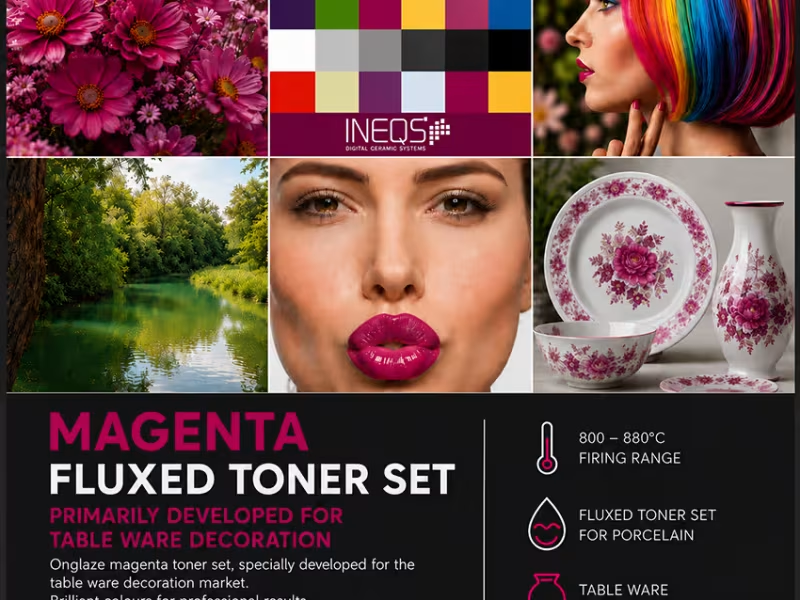
Fluxed magenta toner set MM40
CMYK set with built-in flux for glass, enamel and low-fire onglaze work at 550 to 850 °C.
-
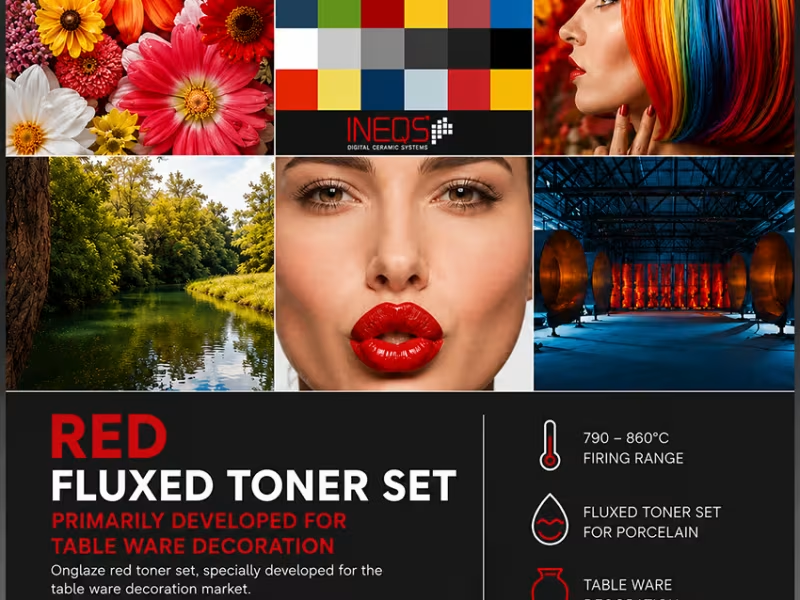
Fluxed red toner set RR85
Four-colour fluxed set with ceramic red for glass, enamel and low-fire onglaze work.
-
Fluxed glass toner set B/W
Black and white fluxed toner for float glass, borosilicate and glass tableware.
-
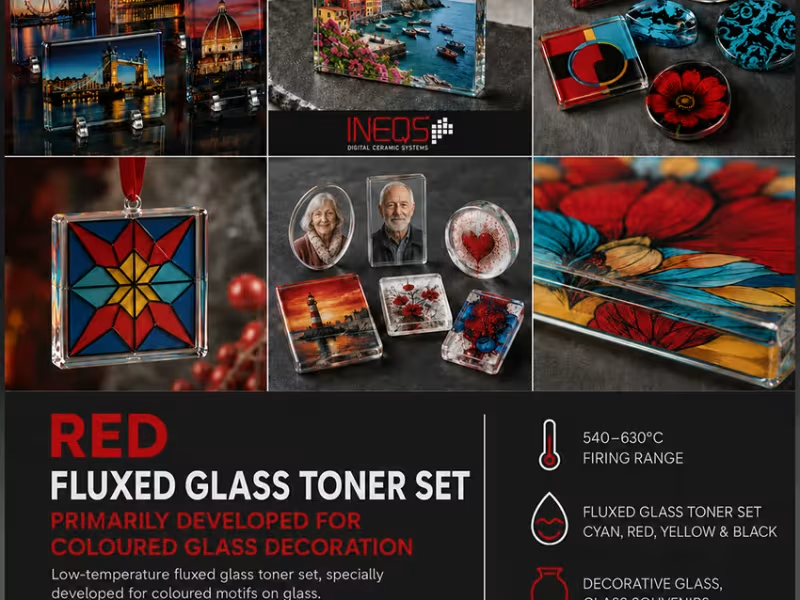
Fluxed red glass toner set (600° to 630°C)
Full-colour fluxed set with red, matched to the expansion of glass.
What is ceramic toner?
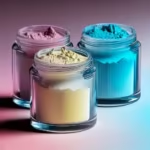
Ceramic toner is dry toner for a laser printer in which the colour comes from inorganic ceramic pigments instead of the organic pigments in office toner. A converted laser printer fuses it onto waterslide decal paper. Once the decal is applied, the kiln burns away the resin carrier and the pigment fuses into the glaze, the enamel or the glass. The fired colour is scratch resistant, UV stable and dishwasher safe, and it lasts as long as the ware. INEQS develops and makes its ceramic toner, and the covercoat that goes with it, in its own factory in Germany.
Toner is not ink. Ink is a liquid; toner is a dry powder of pigment and resin that a laser printer melts onto paper with heat, so it never dries out in a print head. Ceramic toner goes one step further: its pigments survive the firing temperature that burns ordinary toner away.
Which ceramic toner set do you need?
Choose by the ware and the firing temperature it can take.
- Unfluxed toner sets for glazed tile, stoneware and porcelain fired in-glaze. The glaze softens and takes the pigment in, which gives the most durable decoration there is: floor tiles, pool tiles, tableware that goes through a commercial dishwasher every day. The R101 red set fires at 860 to 1,150 °C and the unfluxed magenta set has the widest colour gamut. Unfluxed toner always needs a fluxed covercoat.
- Fluxed toner sets carry their own glass frit, so they fuse onto finished onglaze porcelain and vitreous enamel at lower temperatures. The fluxed magenta set gives pink, purple and violet tones, and the RR85 red set fires at 805 to 830 °C for strong reds. Coated with lacquer only, fluxed toner leaves no visible decal edge.
- Glass toner is matched to the expansion of float and borosilicate glass and fires at 550 to 700 °C: black and white for text, scales and markings, and a full colour set with red for decorative glass.
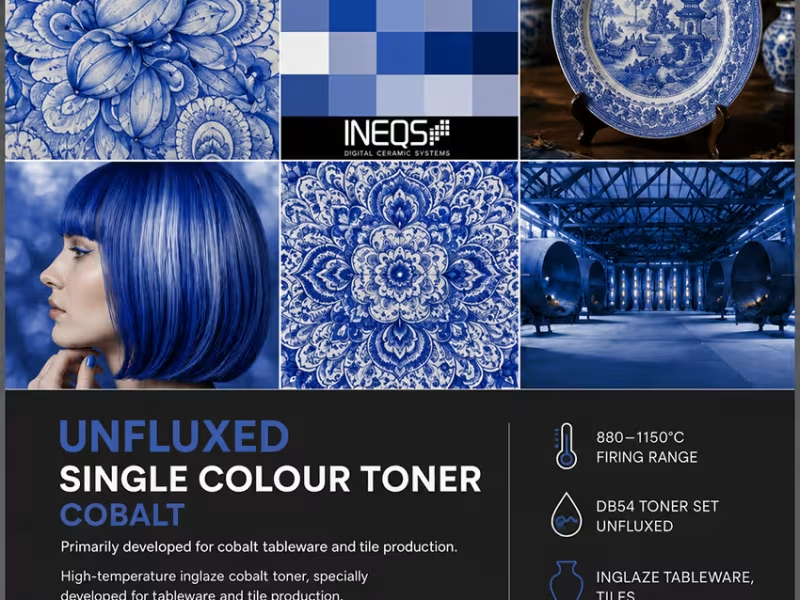
- Single colours and cobalt to replace one cartridge or build a custom set, including the DB54 cobalt for in-glaze tableware and tile, and a white fluxed toner for text and barcodes.
The red question
Magenta and yellow mix a passable red at low temperature and lose it above about 1,000 °C. INEQS red sets replace magenta with a true ceramic red pigment, so portraits, logos, brand colours and warning signs keep their red after firing. Pastel, pink and violet work is better on a magenta set.
Which printers run INEQS ceramic toner?
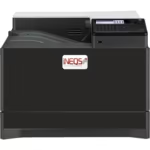
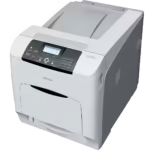
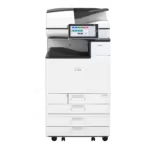
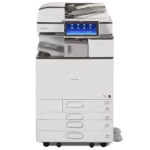
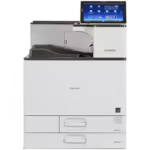
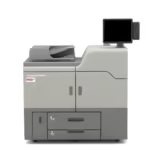
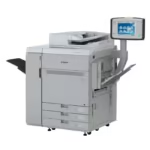
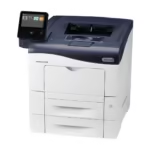
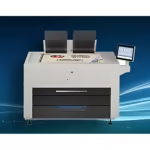
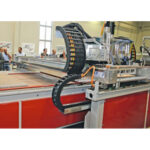
Every INEQS ceramic printer, plus selected Ricoh, Canon and Xerox colour laser engines after INEQS conversion. A standard colour laser printer cannot simply be refilled: the fuser, the paper path and the developer have to be set up for ceramic toner and decal paper. Developer units are swapped per toner family, so plan one family per printer in production. If you already own a colour laser, send us the exact model and serial number and we will tell you whether it can be converted.
Everything else you need
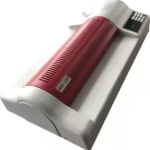
Ceramic toner is one part of a printing system. Around it you need decal paper, a covercoat (lamination paper, liquid cover coat or coating spray), fresh developer for your printer, and a programmable kiln that reaches the set’s firing temperature. All INEQS consumables are tested with INEQS toner, and every toner set ships with its firing curve.
Is fired ceramic toner food safe?
Correctly fired INEQS decoration on a suitable substrate is dishwasher safe and made for daily use, because the pigment sits inside the glaze. Many INEQS toner systems suit food-contact use on approved substrates. Tell us the substrate and the regulations in your market and we confirm the right set and supply the declaration for it.
Toner and printer from one maker
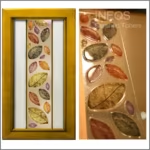
INEQS makes both the ceramic toner and the printers it runs in, so every ceramic toner set is specially developed and tested with the machine, the developer and the decal paper it will meet in your studio or on an industrial line. That is what keeps colour output stable from the first sheet to the last, and why a new printing system arrives calibrated, with ICC profiles for colour accuracy after firing. Typical applications for digital ceramic printing with INEQS toner range from photo ceramics and memorial plaques to tile murals, enamelled metal signs, glass bottles and custom tableware.
Prices and samples
Toner is sold as CMYK sets, red sets, glass sets and single cartridges. Price depends on the set, the printer model and the quantity, so ask for a quote with your printer model. Not sure which set suits your ware? Send a file and tell us the substrate: INEQS prints, fires and ships a sample.