

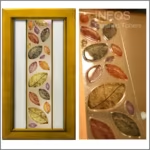



Tableware is one of the classic applications of ceramic toner and also one of the most demanding. A decorated plate or cup is handled every day, viewed from close range and must remain dishwasher resistant and durable through years of regular use. Digital ceramic decals meet these requirements because the ceramic pigments are fired permanently into the glaze rather than simply printed onto the surface.
Which set to use
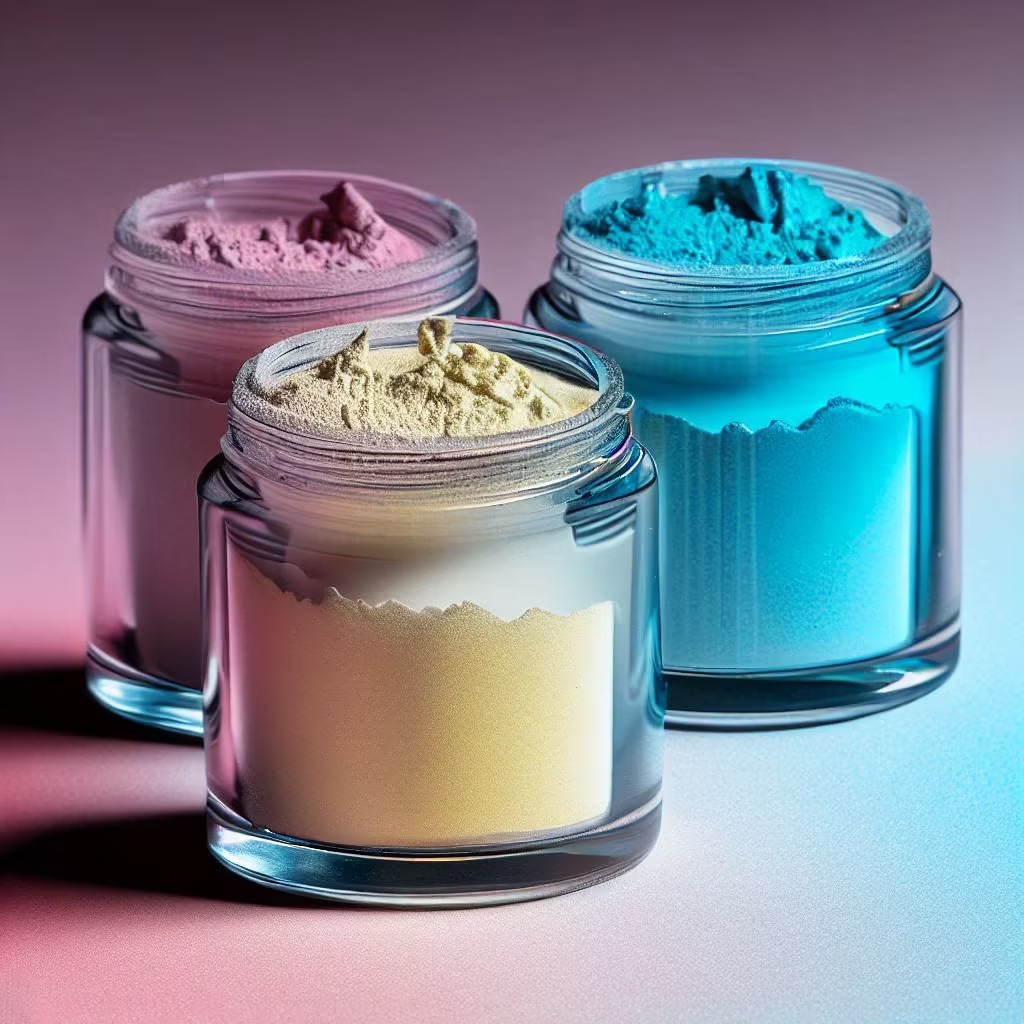
For porcelain and stoneware fired at 880 to 1,150 °C, use a ceramic toner set without flux: the M40 unfluxed magenta toner set for its wide colour gamut, or the R101 unfluxed red toner set when the design requires stronger reds and oranges that cannot be reproduced as effectively with magenta. Both require a covercoat with flux, which produces a glossy fired surface.
For onglaze decoration of finished ware at 805 to 900 °C, the MM40 fluxed magenta toner set or the RR85 fluxed red toner set can be used. As the flux is already contained in the toner, only lacquer is required for coating, which helps avoid a visible decal edge (cuttings marks).
What to expect
- Dishwasher safe and food safe on properly fired ware; the colour sits inside the glaze
- Resolution up to 1,200 dpi, fine text and halftones hold
- White areas in the design print as transparent, so the ware colour shows through; a white fluxed toner is available for text and marks on dark ware
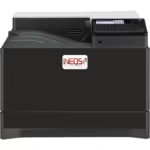
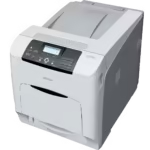
- Decals can be printed in Weinsheim or on your own printer, stored, and applied when orders come in
Formats and volume
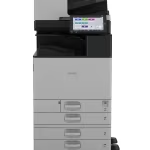
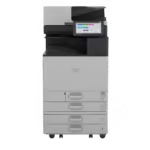
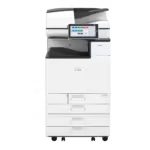
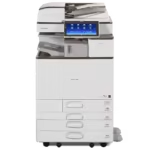
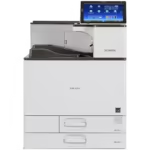
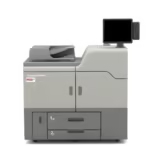
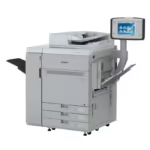
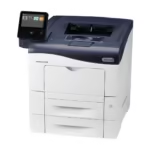
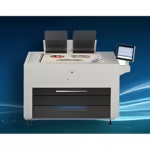
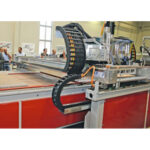
A4 covers most cups, mugs and side plates; A3 and SRA3 cover chargers, platters and multi-item sheets. For a range of tableware with a repeating pattern, the IM C2010 or IM C3010 on SRA3 gives the lowest cost per piece. Small studios and hotels personalising a few dozen pieces start with the IM C300.