

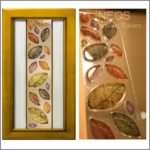


Vitreous enamel on steel is the most durable sign material there is and until digital ceramic printing it could only be decorated by screen printing. INEQS fluxed sets change that: any image, any text, any quantity, fired into the enamel at 805 to 840 °C. The sign is graffiti resistant, colourfast, and cleaned with anything.
Which set
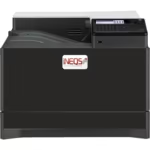
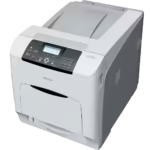
The MM40 fluxed magenta toner set for photographic and pastel work, the RR85 fluxed red toner set for brand colours and warning signage that needs a strong red. Both bring their own flux and fuse to the enamel surface.
Typical work
- Street and building signs, house numbers, memorial and commemorative plaques
- Wayfinding in transport and public buildings
- Industrial nameplates, rating plates and durable labels
- Enamel art and restoration pieces
How an enamel sign is printed
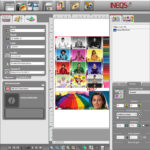
- Prepare the artwork at final size with an embedded colour profile; for text and logos, vector files give the sharpest edges
- Print the decal with a fluxed set on INEQS decal paper
- Coat with lacquer for a border-free result, or a fluxed covercoat for a glossier surface
- Apply the decal to the enamelled panel, squeegee out the water and dry it
- Fire onglaze at 805 to 840 °C; the pigment fuses into the enamel surface
Designing for enamel
White areas of the design print as nothing, so the enamel ground colour shows through. Many signs use a white enamel ground, which gives clean whites without printing them. For white text on a coloured ground, use a white fluxed toner or choose the ground to suit the design. Brand and safety colours with a strong red need the RR85 red set.
Built for outdoor use
Because the image is fired into vitreous enamel, it is as colourfast and graffiti resistant as the sign itself and can be cleaned with solvents that would strip a printed or vinyl sign. That is why enamel remains the material of choice for street signs, transport wayfinding, memorial plaques and industrial rating plates.