


How ceramic photos for headstones are made
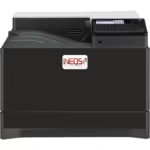
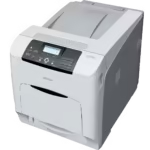
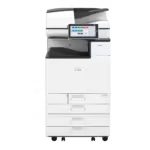
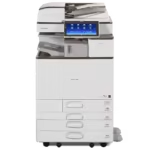
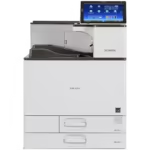
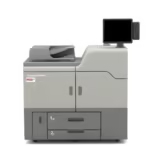
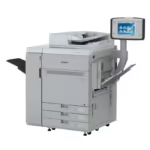
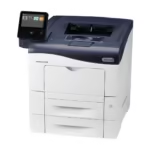
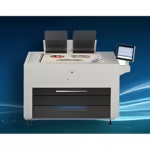
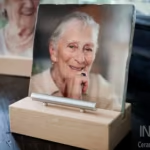
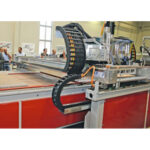
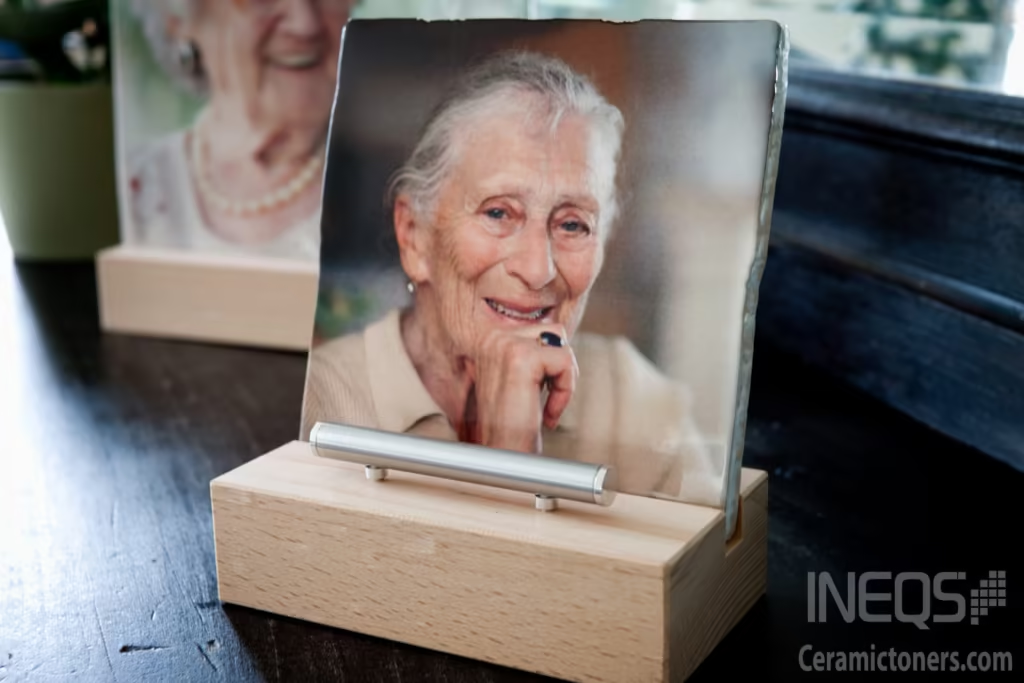
A ceramic photo for a headstone is a porcelain or enamel plaque with the portrait fired into its glaze. The portrait is printed with ceramic toner onto decal paper, coated, water transferred to the plaque and fired at 805 to 1,150 °C depending on the selected plaque and toner set. Because the pigment becomes part of the glaze, the image does not fade, crack or peel in sunlight, frost or rain; a correctly fired photo ceramic outlasts the stone it is fixed to. Memorial suppliers, monumental masons and funeral directors produce these plaques on an INEQS photo ceramic printer, either on their own premises or through the INEQS print service.
Memorial portraits are the hardest test of a ceramic printing system: one image, one chance, and it has to look right for decades outdoors. Funeral suppliers and stonemasons use INEQS printers because a single A4 sheet can carry several portraits, each one different, with no screens, no setup and no minimum run.
The process for memorials
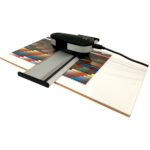
- Prepare the portrait at 300 dpi, retouched, with an embedded colour profile
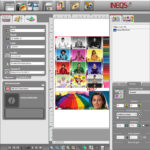
- Print on INEQS decal paper with an unfluxed set (in-glaze on porcelain plaques) or a fluxed set (onglaze on finished plaques and enamel)
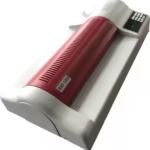
- Coat, apply to the plaque and fire; unfluxed sets on porcelain fire at 880 to 1,150 °C
- The image is now part of the glaze: frost, sun and rain do not touch it
Which set
Skin tones and hair are where memorial work lives or dies. The R101 unfluxed red toner set reproduces them naturally. adds warmth for portraits with strong reds. INEQS ICC profiles for your printer and plaque supplier keep the result predictable from the first print.
Urns and shaped objects
Decals apply to curved surfaces with a little practice, and for volume producers INEQS builds a dedicated urn printer. See it on the technical service page.
Questions people ask
What is a ceramic photo for a headstone?
A porcelain or enamel plaque with the portrait fired into the glaze rather than printed on top of it. Because the image sits inside a layer of glass, it cannot fade, peel or wash off.
How long does a porcelain photo on a headstone last?
Decades outdoors. The pigment is fired into the glaze at 805 to 1,150 °C, so UV light, rain, frost and cleaning never reach it. Plaques made early last century are still legible today.
Are ceramic memorial photos weatherproof?
Yes. Fired ceramic decoration is unaffected by frost, rain, sunlight and normal cemetery cleaning. When a memorial plaque fails it is almost always the fixing, not the image.
What shapes and sizes are memorial photo plaques made in?
Oval, rectangular and heart plaques are the common shapes, from a small inset portrait up to a full panel. INEQS prints the decal; the blank comes from your own supplier or from us.
Can an old or damaged photograph be used?
Usually. Retouching happens at the file stage, before printing. Resolution matters more than age: a sharp small print scans better than a large soft one.
Can colour and black and white portraits both be fired?
Yes. An unfluxed CMYK set gives full colour with reliable skin tones. A single-colour set gives a sepia or monochrome portrait.
Do I need my own printer to produce memorial ceramics?
No. Many memorial masons start with the INEQS decal print service and buy a printer once the volume justifies it. An A4 printer, a small kiln and one toner set is the usual first system.
Printer or print service: which is cheaper for me?
It depends on your monthly volume, the plaque size and whether you fire in-house. Send us those three numbers and we will show you the comparison rather than guess at it.
Which toner set suits memorial work?
Enamel and lower-firing porcelain plaques take a fluxed set. Glazed porcelain that can stand a high refire takes an unfluxed set, which puts the portrait inside the glaze. Tell us the plaque and we will match it.